

Recognising Burnout in Children, and What to Do Early
Children can experience periods when schoolwork feels difficult, motivation drops and they seem more tired than usual. While this can be a normal part of a busy school year, ongoing stress, exhaustion or frustration may be signs that a child is heading towards burnout.
Recognising these signs early can help parents provide the right support before academic pressure begins to affect their child’s confidence, wellbeing and enjoyment of learning. At Study Space, we believe academic progress and wellbeing go hand in hand. When children feel confident, supported and capable, they are generally better positioned to engage with their learning and make steady progress.

What Does Burnout Look Like in Children?
Burnout does not always look the same for every child. Some children may become noticeably withdrawn, while others may become frustrated, emotional or resistant to doing schoolwork.
Some signs to look out for include:
- Ongoing tiredness or difficulty getting started with schoolwork
- Increased frustration over homework or study
- Avoiding school-related tasks
- Losing interest in subjects or activities they previously enjoyed
- Becoming unusually emotional or irritable
- Saying they are “not good” at a particular subject
- Difficulty concentrating
- Feeling overwhelmed by assignments, tests or homework
- A noticeable drop in confidence
- Spending large amounts of time studying without feeling like they are making progress
One difficult week does not necessarily mean your child is experiencing burnout. However, if changes continue or begin affecting their everyday life, it may be worth taking a closer look at what is contributing to the problem.
Check Whether Your Child Is on Track Mid-Year
The middle of the school year is a useful time to check in with your child academically. Rather than waiting until a major assessment or report card highlights a problem, take some time to consider how they are progressing.
Ask your child how they feel about their subjects. Are there topics they are finding particularly difficult? Are they keeping up with homework? Do they understand what their teachers are asking of them? Are they feeling confident going into tests and assessments?
A mid-year check-in can help identify areas where your child may need additional support before small gaps become larger ones.
It is also important to remember that being “on track” does not necessarily mean achieving the highest possible marks. Progress should be considered alongside your child’s year level, individual abilities, learning habits and confidence.


Remember That Effort Deserves Recognition
Academic results are one way of measuring progress, but they are not the only thing worth celebrating.
If your child has worked hard to understand a challenging concept, practised a skill repeatedly, asked questions or continued trying after making mistakes, that effort deserves recognition.
Children need to know that their hard work has value even when the result is not perfect. Praising effort can help develop a growth mindset and encourage children to keep trying when learning becomes challenging.
Instead of focusing solely on a test result, consider saying things such as, “I can see how much work you put into that” or “You kept working at something that was difficult.”
Recognising effort helps children understand that learning is a process rather than a race towards perfect results.
Create Routines That Work Long Term
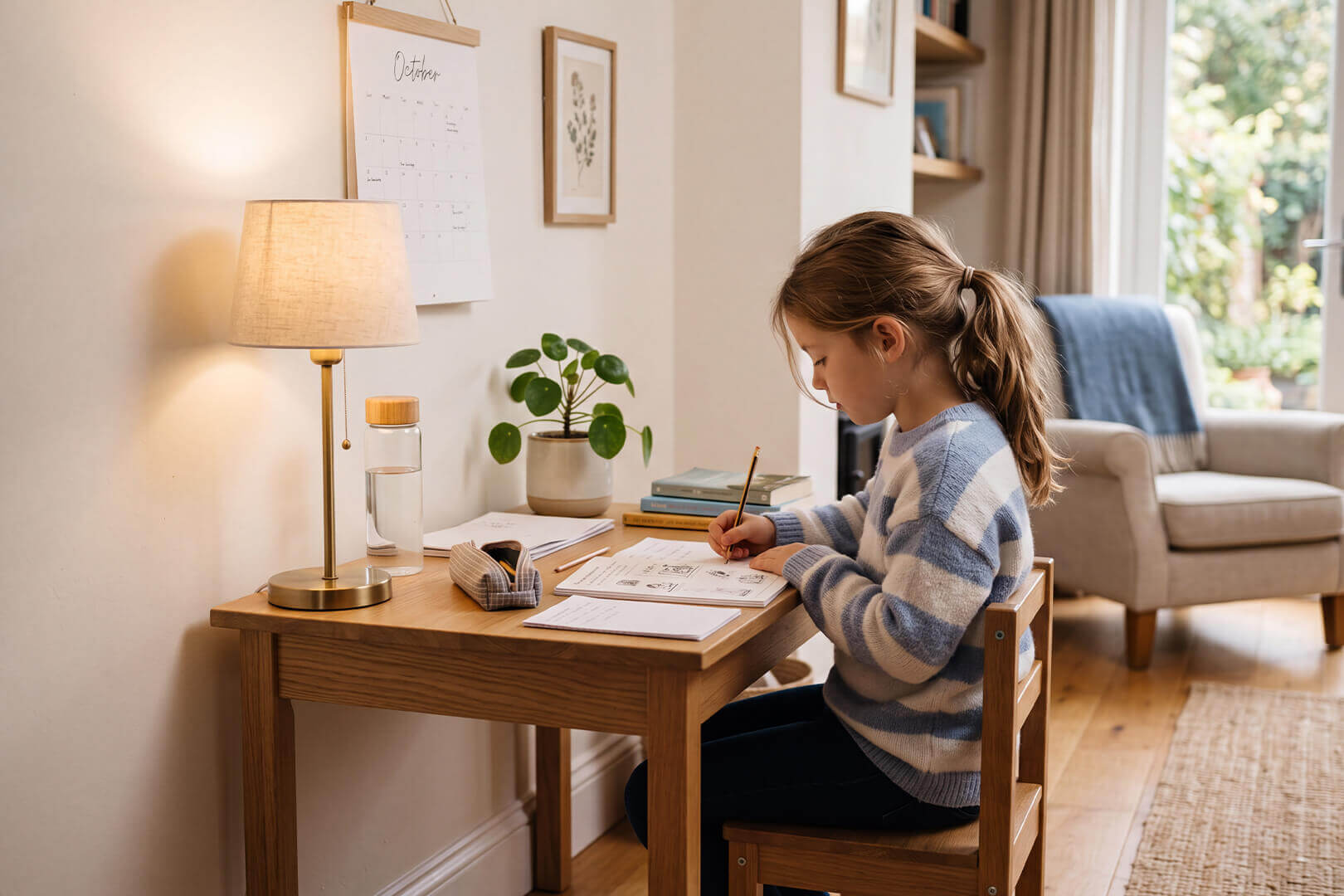
One of the best ways to reduce academic overwhelm is to establish routines that are realistic and sustainable.
A study routine does not need to involve hours of homework every night. In fact, an overly demanding schedule can leave children exhausted and make learning feel like a constant source of pressure.
Instead, look for a routine that fits your child’s school commitments, energy levels and other interests. Regular short study sessions can often be more manageable than leaving everything until the night before a test.
A sustainable routine might include a consistent time for homework, regular breaks, enough sleep, time outdoors, family time and opportunities for hobbies or relaxation.
The goal is to create habits that can continue throughout the school year rather than relying on intense bursts of study when assessments are approaching.
Learning and Wellbeing Go Together
It can be easy to think about academic progress and wellbeing as two separate areas, but they are closely connected.
A child who lacks confidence may avoid challenging tasks because they are worried about getting something wrong. Similarly, a child who is constantly exhausted or overwhelmed may struggle to concentrate and retain new information.
Supporting wellbeing can therefore be an important part of supporting learning.
Make sure your child has opportunities to rest and enjoy activities that are not related to school. Encourage them to talk about how they are feeling and let them know that asking for help is a strength, not a failure.
Confidence can also grow when children experience small successes. Breaking a difficult task into manageable steps and celebrating progress can help them see that they are capable of improvement.
Know When to Ask for Extra Academic Support
If your child is consistently struggling with a subject, falling behind or becoming increasingly frustrated by their schoolwork, additional academic support may help.
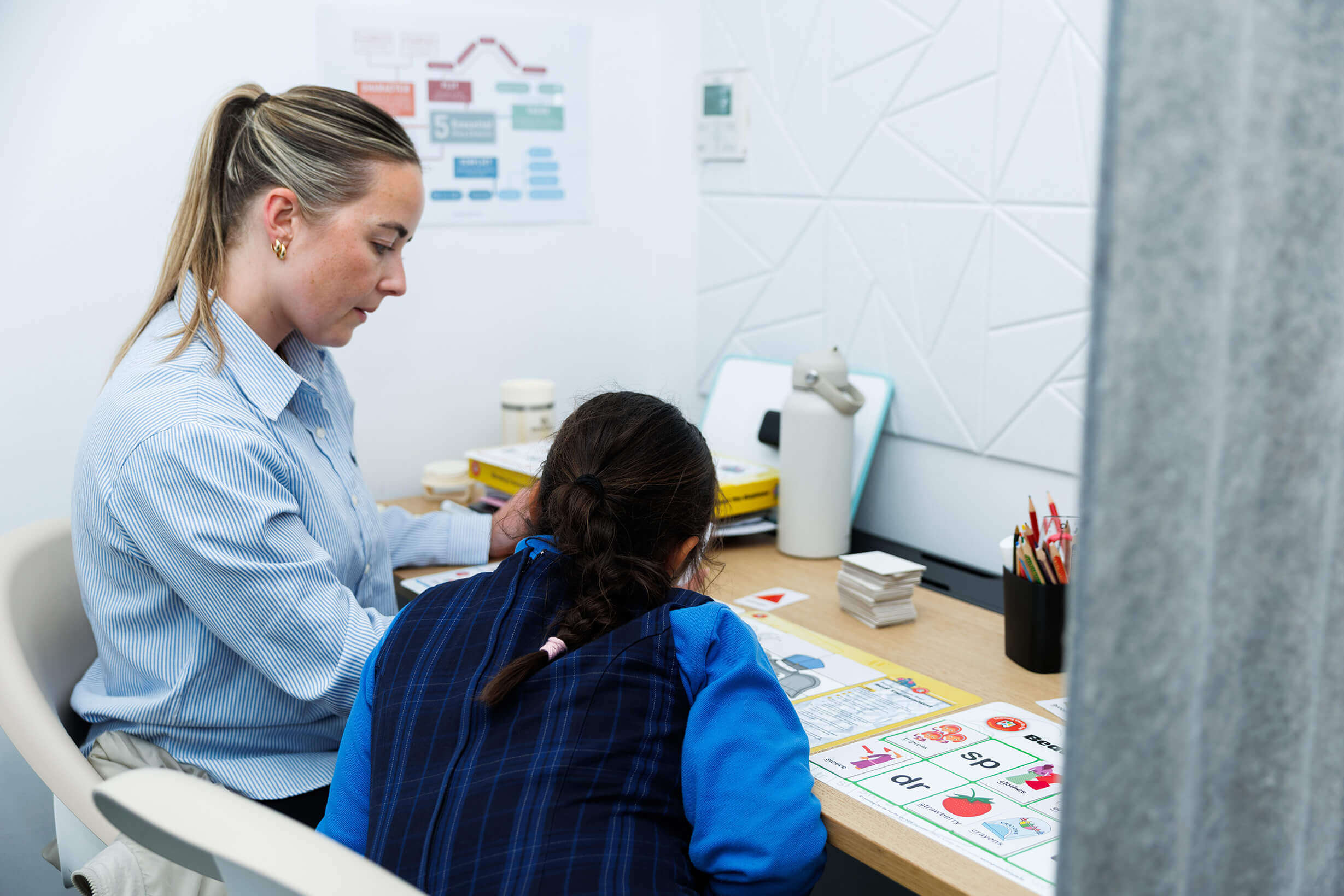
Tutoring can provide a structured environment where students can work through difficult concepts at their own pace. It can also give them an opportunity to ask questions, reinforce areas they already understand and develop more effective study habits.
At Study Space, tutoring is available for students across different year levels and subjects. Personalised support can help address learning gaps while also building confidence and encouraging students to become more independent learners.
The aim is not to put more pressure on children. Instead, the right support can make schoolwork feel more manageable and help students approach challenging areas with greater confidence.


Support Progress, Not Perfection
Preventing burnout is not about making school completely stress-free. Challenges are a normal and valuable part of learning. The key is helping children develop the skills and confidence to manage those challenges without becoming overwhelmed.
Checking in with your child during the middle of the year, recognising their effort, establishing sustainable routines and providing support when they need it can all make a difference.
Most importantly, remind your child that their academic results do not define them. Their effort, persistence, curiosity and willingness to learn are all worth celebrating.
When children have the right balance of academic support and wellbeing, they can build confidence that extends beyond the classroom and helps them tackle future challenges with greater resilience.
Contact Study Space for Support
If you are unsure whether your child is on track academically or you have noticed that they are losing confidence in a particular subject, it may be worth seeking support early.
Study Space can provide personalised tutoring to help students strengthen their understanding, work through areas of difficulty and develop sustainable learning habits.
Contact Study Space today to find out how tutoring can support your child’s learning, confidence and long-term academic progress.
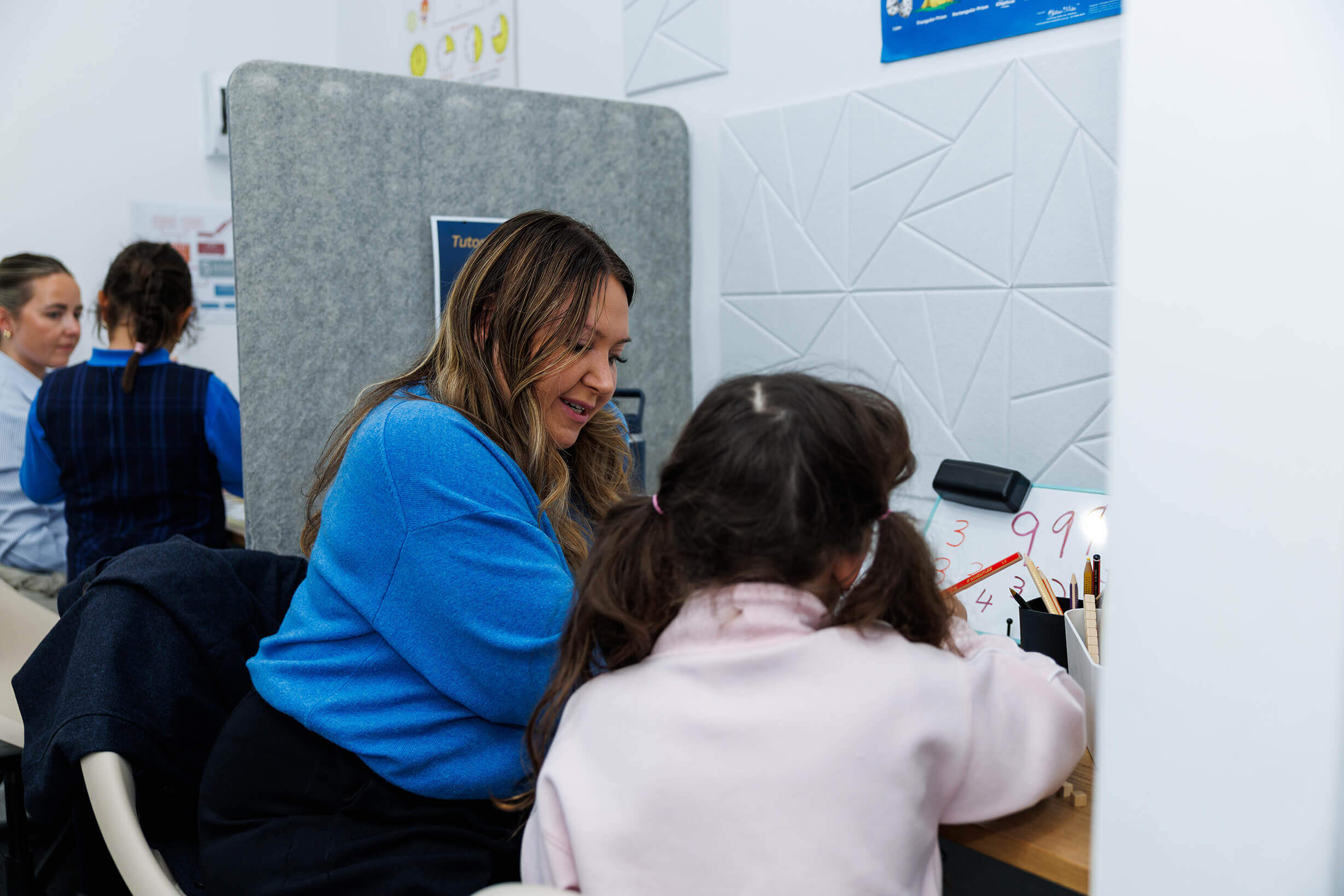

We also offer a complimentary introductory tutoring session. Enrol now to experience our tailored approach designed to boost confidence and academic performance. Complete the form on our website to claim your free session and see firsthand how our expert tutors can support your child’s educational journey.