

How to Read a School Report: What Actually Matters
When school reports are issued, many parents instinctively focus on grades, rankings, or comments that indicate whether their child is “doing well”. While academic results are certainly important, a school report offers much more than just marks on a page.
Think of a school report as a snapshot of your child’s learning journey — showcasing strengths, pinpointing areas for growth, and providing valuable guidance for their future development. Understanding what truly matters in these reports can enable parents to offer more effective support and avoid unnecessary anxiety or pressure.
At Study Space, we partner with families to help students build confidence, develop positive learning habits, and make constructive use of teacher feedback throughout the school year.

Look Beyond the Grades
It’s natural to zero in on grades initially, yet grades alone rarely tell the full story. Two students might achieve similar results but have vastly different learning experiences, confidence levels, and challenges.
Rather than viewing grades as the sole measure of success, consider questions like:
- Has your child shown improvement since the last report?
- Are they consistently putting in effort?
- Have they become more confident in participating?
- Are their organisational skills developing?
- Are they growing in resilience and independence?
Progress is just as significant as achievement. A child who has moved from struggling to steadily improving may be making excellent headway, even if their grades are not yet at the top of the class. School reports should be used to track personal growth over time, rather than simply compare students to one another.
Teacher Comments Often Offer the Most Insight
The written feedback from teachers is often the most valuable section of a school report. These comments provide a window into how your child learns, behaves, participates, and responds within the classroom environment.
Teachers might highlight areas such as:
- Confidence during class discussions
- Focus and concentration levels
- Homework routines and habits
- Time management skills
- Behaviour and attitude
- Communication abilities
- Problem-solving skills
- Areas requiring additional support
Such observations can reveal patterns that raw grades alone cannot.
For instance, a report might show that a child grasps the material well but lacks confidence when speaking up in class. Conversely, another student might be highly engaged yet struggle with organisation or completing tasks independently. Viewing teacher feedback as constructive guidance rather than criticism enables parents to support their child more effectively at home.


Pay Attention to Learning Habits
Strong learning habits often predict long-term success more than individual test scores do. School reports frequently comment on behaviours that influence outcomes across all subjects.
Key learning habits to monitor include:
- Organisation
- Consistency
- Effort and persistence
- Concentration
- Willingness to ask questions
- Task completion
- Independent learning
If teachers repeatedly note issues such as distraction, rushing work, or inconsistent effort, these should be addressed early on.
Equally, positive remarks about perseverance, improvement, or attitude deserve recognition and celebration. These qualities form the foundation for future academic growth. At Study Space, we help students strengthen both their understanding of content and their learning habits, fostering greater confidence and independence in school.
Avoid Overreacting to a Single Report
A single school report does not define your child’s intelligence, potential, or future success. Students go through different phases during the year, and temporary challenges are very common.
Sometimes children:
- Need time to adjust to new expectations
- Experience mid-year dips in motivation
- Lose confidence after setbacks
- Struggle with changes in workload
- Require extra help with foundational skills
Reacting too strongly to disappointing results can increase anxiety and further undermine confidence.
Instead, focus on positive, open conversations such as:
- “Which subjects do you feel confident in?”
- “What do you find challenging?”
- “What support would help you most?”
- “What goals can we work on next term?”
These discussions foster reflection and problem-solving rather than fear or shame.


Use School Holidays Productively
School holidays offer an excellent opportunity to respond positively to report feedback without the daily pressures of classroom routines.
This doesn’t mean children should spend the entire break studying. However, holidays can be used strategically to:
- Gradually strengthen weaker areas
- Rebuild confidence
- Establish better study habits
- Catch up on foundational concepts
- Improve reading and comprehension skills
- Reduce anxiety before the new term starts
Even small amounts of focused learning during breaks can make a significant difference when students return to school. Importantly, holidays must also include rest, balance, and fun. Students who feel mentally refreshed tend to be more motivated and engaged when term resumes.
At Study Space, our holiday learning support helps students maintain momentum while addressing challenges identified in their reports — all within a calm, supportive environment.
Prioritise Communication With Teachers
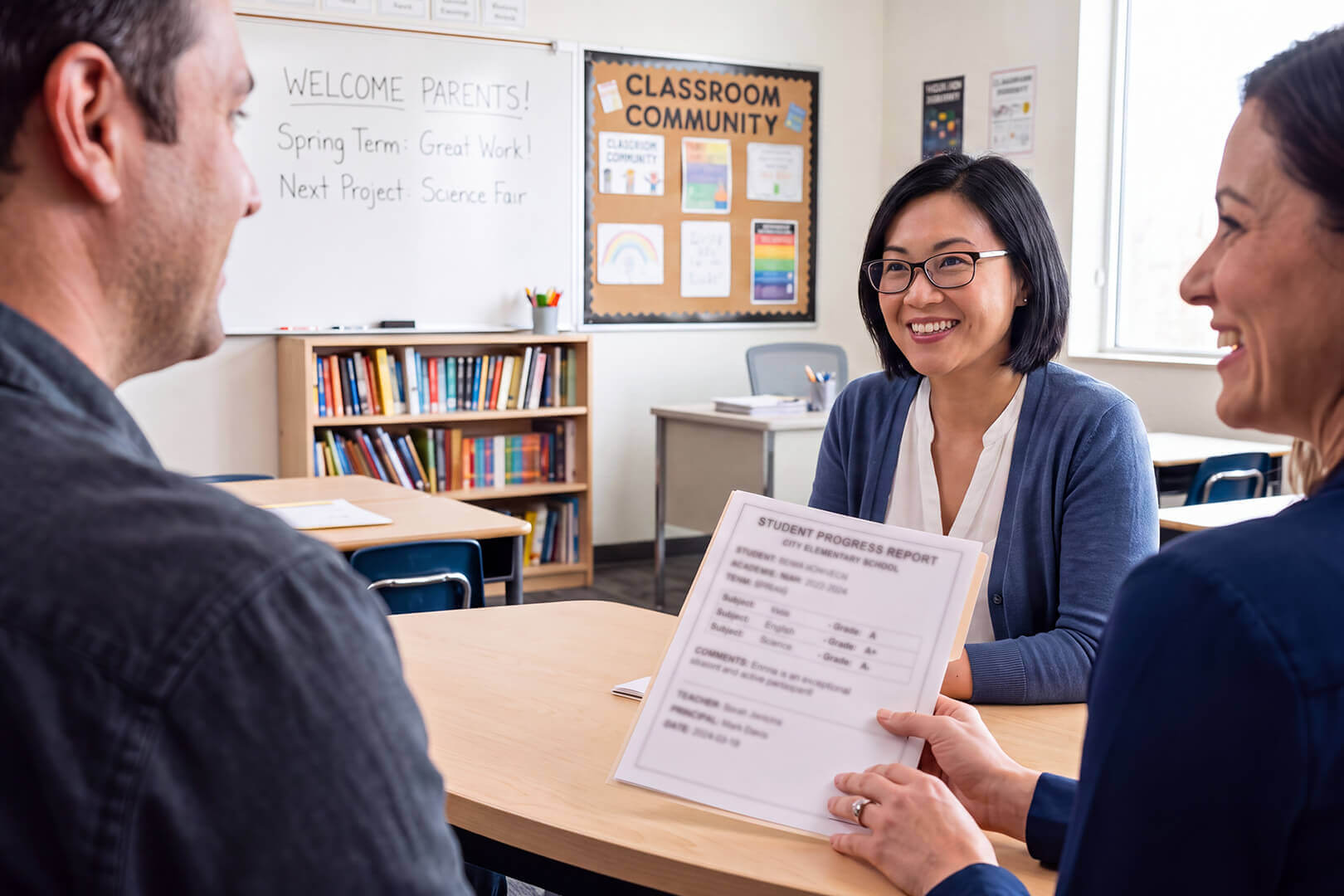
School reports are only one piece of the puzzle when understanding your child’s progress. If anything in the report concerns you or seems unclear, having a direct conversation with teachers can provide valuable context.
Teachers can often explain:
- Reasons behind certain results
- Whether challenges are ongoing or temporary
- How your child behaves and participates in class
- Areas needing extra support
- Strategies you can use at home to help
Building positive communication with teachers establishes a strong support network around your child. Rather than viewing reports as final judgments, see them as starting points for collaborative conversations between parents, teachers, and students.

Confidence and Wellbeing Are Key
Academic results matter, but emotional wellbeing and self-confidence are just as crucial. A child feeling anxious, overwhelmed, or discouraged may struggle to perform to their potential, regardless of ability.
When considering reports, take note of your child’s:
- Stress and anxiety levels
- Motivation to learn
- Self-esteem and emotional resilience
- Attitude towards school and learning
Children who feel emotionally supported are more likely to stay engaged and motivated over the long term. Encouraging a balanced perspective helps children view learning as a journey, not just a series of grades.
How Study Space Can Help
Sometimes school reports highlight areas where extra academic or emotional support could make a real difference. Early intervention can prevent small gaps from becoming bigger obstacles later on.
At Study Space, we offer personalised tutoring and learning support designed to help students:
- Build confidence and motivation
- Improve study habits and routines
- Strengthen foundational skills
- Maintain consistent progress throughout the year
We work closely with students and families to turn report feedback into practical learning plans that encourage steady, lasting improvement.

Contact Us for Support
If your child’s school report has raised concerns around confidence, motivation, organisation, or academic progress, help is available. Study Space provides tailored tutoring and educational support to help students better understand their learning challenges and build skills for future success.
Whether your child needs assistance catching up, boosting confidence, or preparing for the next term, our team is here to provide caring, practical guidance tailored to their individual needs. Contact us today for further information.

We also offer a complimentary introductory tutoring session. Enrol now to experience our tailored approach designed to boost confidence and academic performance. Complete the form on our website to claim your free session and see firsthand how our expert tutors can support your child’s educational journey.