
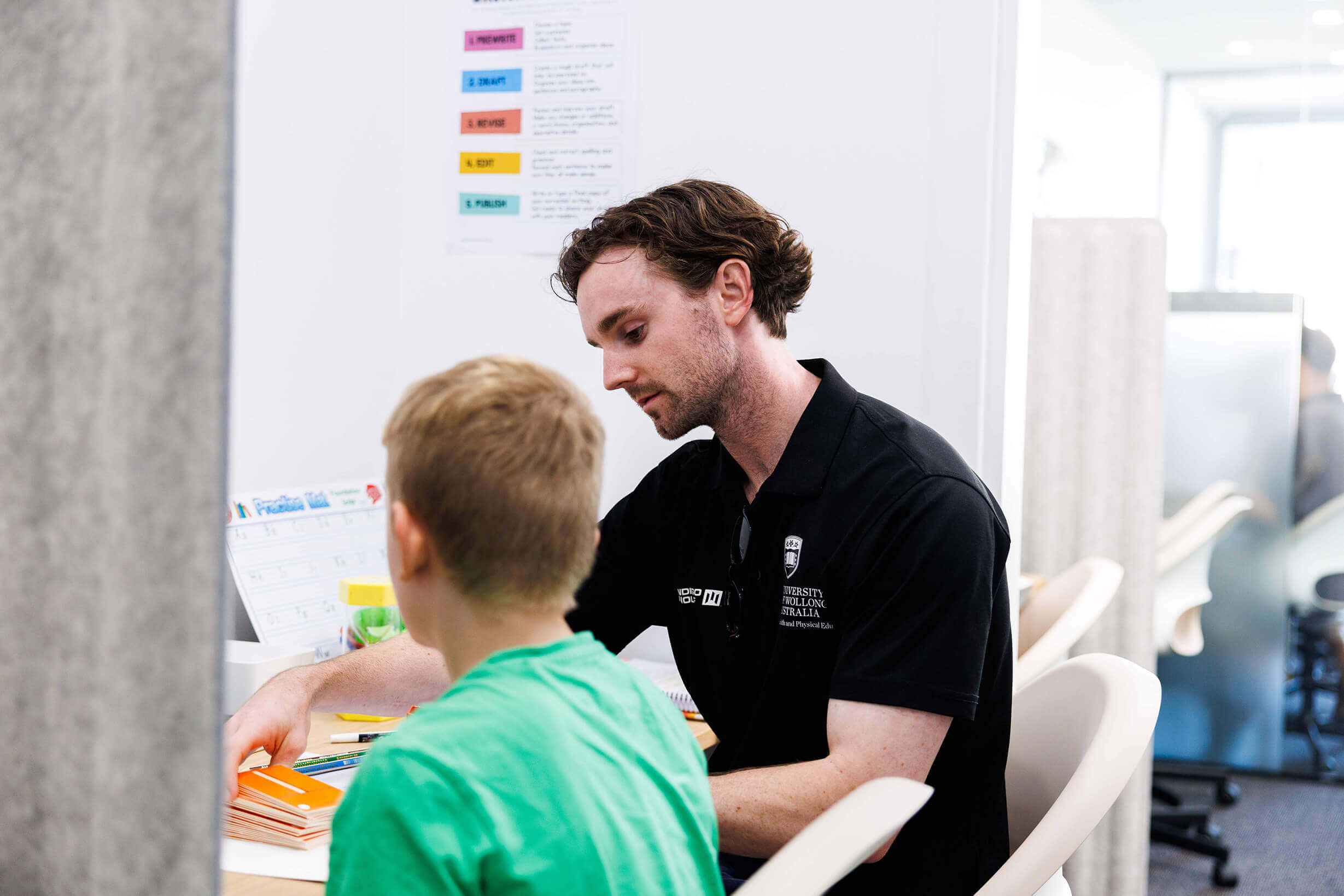
How to Set Your Child Up for a Confident Start to the School Year
Watching your child get ready for a new school year is one of the most thrilling—and often nerve-wracking—things a parent can do. A confident start can set the tone for months of happy learning ahead, whether they are entering primary school for the first time or transitioning into a more difficult high school setting.
At Study Space, we’ve seen how students can start the year feeling capable, driven, and prepared to study rather than nervous or overwhelmed with the correct preparation, support, and mentality. Here are some tips for giving your child a confident start to the school year.
1. Recognise the True Significance of Confidence in School
Being flawless or having all the answers is not what it means to be confident. Learners that are self-assured are eager to try new things, ask questions, and learn from their failures.
Kids who are self-assured at school are more likely to:
- take part in class discussions,
- try tough job without fear,
- and keep engaged even when learning feels difficult.
Particularly in core subjects like Maths and English, where early gaps can quickly impact self-belief, academic confidence grows when students feel supported, understood, and capable. If your child has previously struggled in these areas, targeted support like Maths or English tutoring can make a significant difference early in the year.


2. Before classes begin, review fundamental skills.
Feeling behind from the start is a common cause of early-term stress. Students feel more prepared when they enter the classroom after reviewing important skills prior to the start of the school year.
Pay Attention to Core Learning Areas
Over the holidays, brief, regular practice can rapidly increase confidence:
- daily conversations about reading and comprehension,
- fundamental problem-solving and numeracy exercises,
- and easy writing assignments like summaries or journals.
This preparation is particularly beneficial for younger students. Primary tutoring provides structured support that keeps learning interesting and age-appropriate while reinforcing foundations.
3. Establish School-Ready Procedures Early
Routine fosters confidence. Before classes resume, progressively introduce:
- regular bedtime and wake-up times,
- certain time for reading or homework,
- and time spent studying without a screen.
These routines provide kids a sense of organisation and control, two essential components for a peaceful and self-assured start to the year. Structured routines and high school tutoring can help older children, especially those entering high school, adjust to the increased demands and workload.

4. Promote an optimistic approach to learning
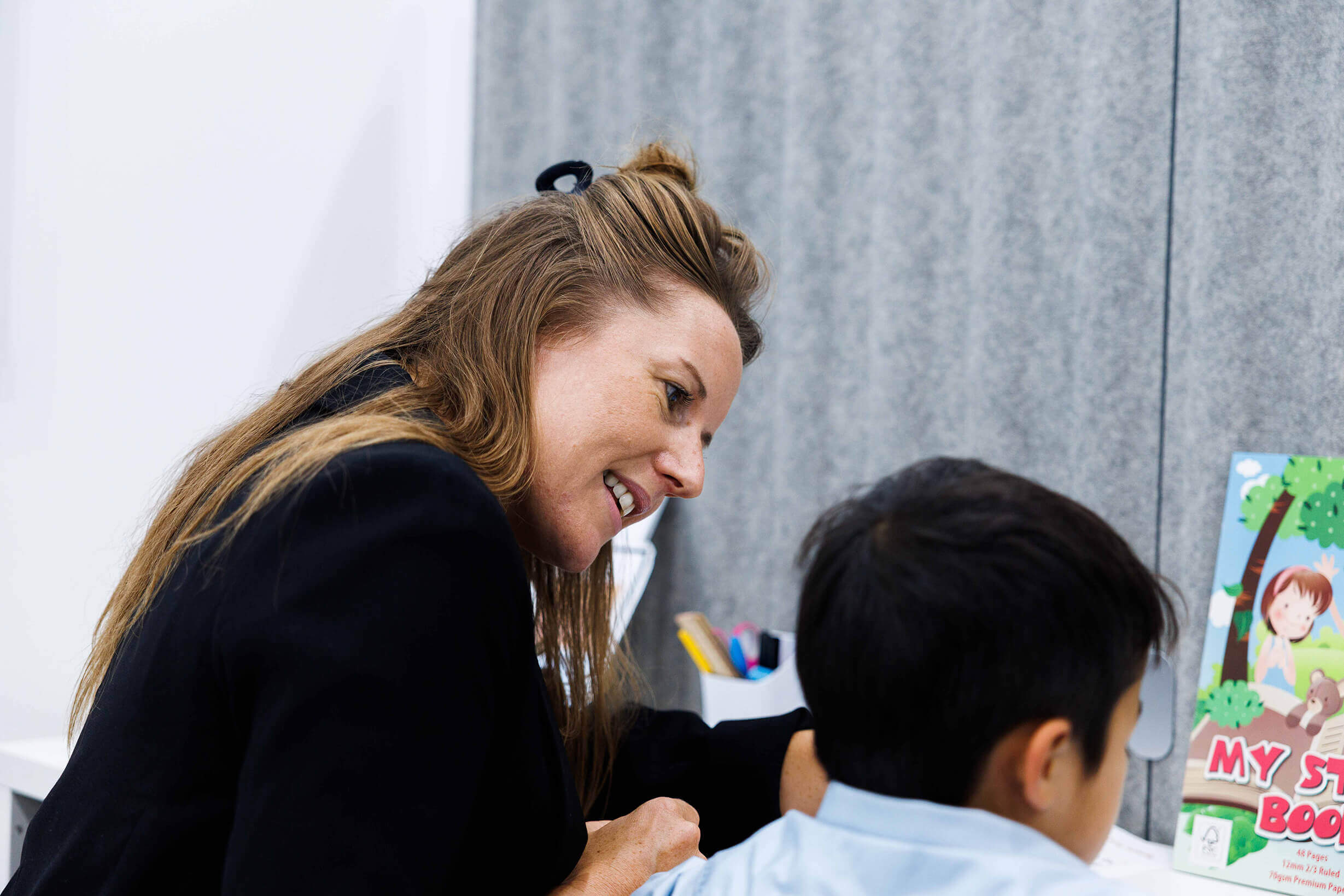
Children’s confidence is greatly influenced by how they view learning. Instead of focussing exclusively on results, encourage effort, strategy and tenacity.
Try saying something along the lines of:
- “I admire your perseverance in the face of difficulty.”
- “What tactic did you use to solve that?”
- “Mistakes teach us valuable lessons. What did this one teach you?”
This method helps kids become resilient and see obstacles as chances rather than dangers.
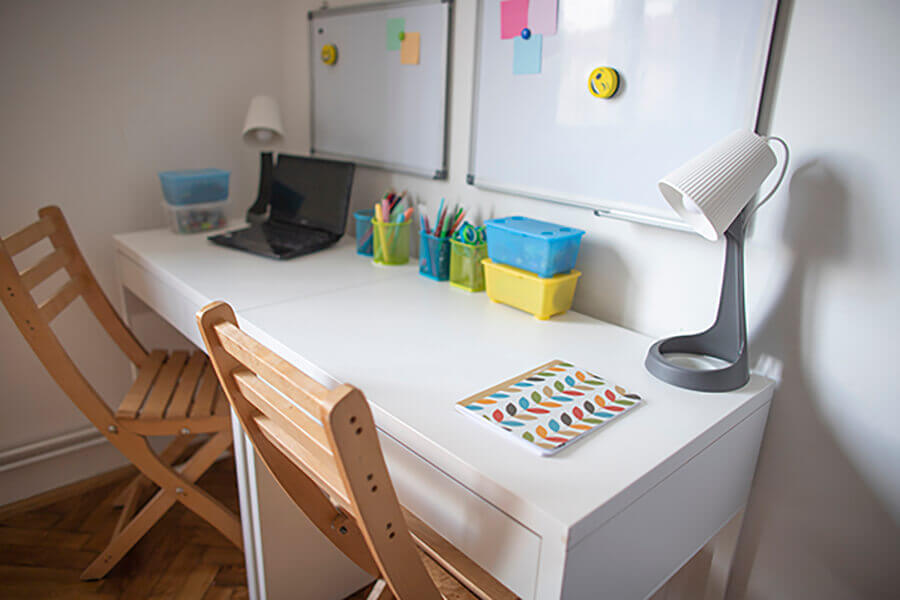
5. Establish a Specific Study Area at Home
Children are better able to concentrate and feel prepared in a quiet, well-organised learning atmosphere.
An ideal study area should:
- be free from distractions,
- have quick access to educational resources,
- and feel kind and at ease.
The idea that learning is significant and doable rather than stressful is reinforced by even a tiny, regular study space.

6. Seek Additional Assistance Before Minor Gaps Grow Into Major Ones
Students’ confidence might occasionally decline as a result of incomplete comprehension of prior material, particularly in cumulative disciplines like arithmetic.
Tailored instruction can be beneficial:
- Early detection of learning gaps
- gain self-assurance with one-on-one assistance,
- and strengthen abilities prior to an increase in classroom pressure.
Tutoring at Study Space is customised to meet the needs of each student, whether they are working towards senior outcomes like HSC tutoring or developing foundations, and it is in line with the NSW curriculum.
7. Encourage Emotional and Social Readiness
Emotional health and academic confidence are tightly related. Have frank conversations with your youngster about:
- what excites them,
- any concerns they may have,
- and how they might get assistance if necessary.
Children might feel more prepared and confident by practicing social situations like speaking out in class or meeting new classmates.


8. Celebrate Progress, Not Perfection
When progress is acknowledged, confidence increases. Spend some time thinking about:
- increases in effort or comprehension,
- new procedures that are functioning nicely,
- and difficulties your child managed on their own.
Celebrating small victories encourages beneficial learning practices.
Helping Your Child Start the Year Strong
A confident start to the school year isn’t about doing everything correctly. It all comes down to planning, motivation, and having the appropriate resources available.
You give your child the best chance to succeed—both academically and emotionally—by building strong foundations, creating routines, encouraging a positive outlook, and providing individualised learning support when necessary.
If you require help suited to your child’s needs, you can discover more about Study Space’s approach on the About Us page or get in touch to discuss the correct support for the year ahead.