
Building Resilience During High-Pressure School Periods
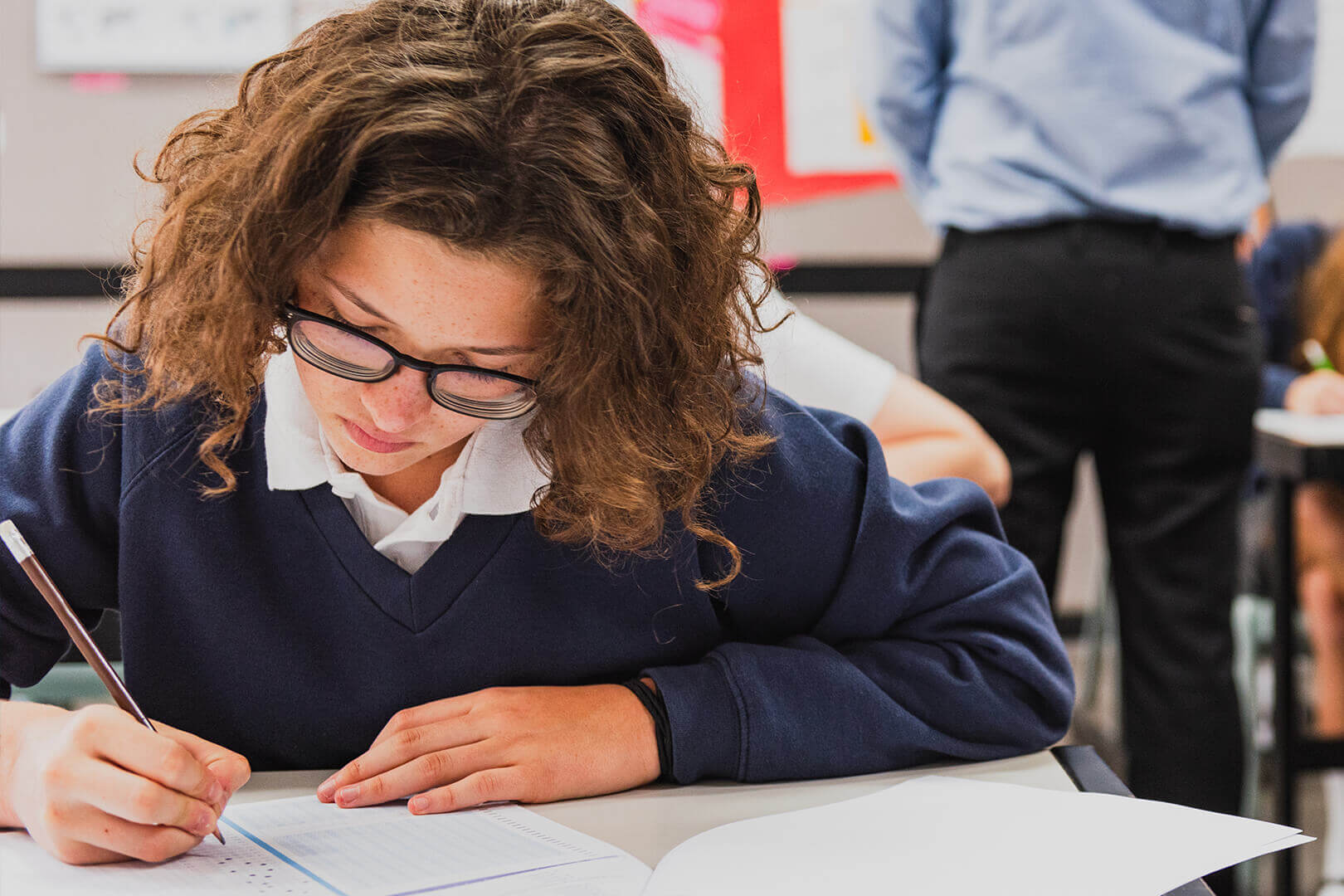
School can be an exciting and fulfilling part of growing up, but there are times when academic pressure can feel overwhelming. Exams, major assignments, NAPLAN, selective school testing, HSC assessments, and busy school periods all add extra demands on students.
Wellbeing and learning go hand in hand—managing these times is about more than just studying harder. Building resilience helps students face challenges, recover from setbacks, and stay confident when things don’t go as planned.
At Study Space, we understand that each student has unique strengths, challenges, and learning needs. Personalised support helps students develop not only academic skills but also the confidence and organisation to handle high-pressure periods more effectively.

What Does Resilience Look Like at School?
Resilience doesn’t mean a student never feels stressed, disappointed, or worried. Instead, it’s the ability to work through challenges and keep moving forward.
For students, resilience might mean receiving a lower mark than expected and using the feedback to improve next time. It might mean feeling nervous before an exam but still facing it with a plan. It can also mean recognising when to ask for help instead of managing alone.
Developing this mindset makes stressful school periods more manageable. Students learn that one difficult assessment or result doesn’t define their ability or potential.
Focus on Progress Rather Than Perfection
High-pressure periods can push students to focus heavily on marks. While academic results matter, placing too much emphasis on perfection can increase anxiety and make setbacks feel bigger than necessary.
Encouraging focus on progress creates a healthier approach to learning. Completing tough assignments, understanding previously confusing topics, or improving exam techniques are all signs of progress.
Parents can support this by recognising effort, preparation, and improvement alongside results. This shows students that learning is a process and mistakes offer opportunities to grow.

Break Big Tasks Into Smaller Steps
A heavy workload can quickly feel overwhelming, especially with multiple assessments due at once. Breaking large tasks into smaller, achievable steps can reduce this pressure.
Instead of tackling an entire assignment at once, students might start by reading the question, planning, researching, and then writing section by section. Similarly, exam preparation can be divided into subjects or topics.
Small goals give clearer direction, allow students to see progress, and prevent procrastination caused by uncertainty.
Develop Consistent Study Habits
Resilience is easier to build with steady routines. Leaving everything until the last minute creates unnecessary pressure and makes work harder than needed.
Consistent study habits don’t mean hours at a desk every night. Regular, focused sessions, a practical study timetable, tracking assessments, and revision time help students feel prepared.
Organisation is especially important for older students managing multiple subjects. Developing these habits early promotes independence and confidence.


Make Time for Rest and Recovery
During high-pressure times, it’s tempting to fill every hour with study. However, students also need rest, social time, and activities they enjoy.
Sleep, physical activity, and breaks support a balanced school approach. Short breaks after focused study help students return with better concentration.
Rest isn’t wasted time. It helps the brain recover and prevents overwhelm.
Encourage Students to Ask for Help
A key part of resilience is knowing when to seek support. Students may feel that asking for help shows weakness, but it actually shows strength.
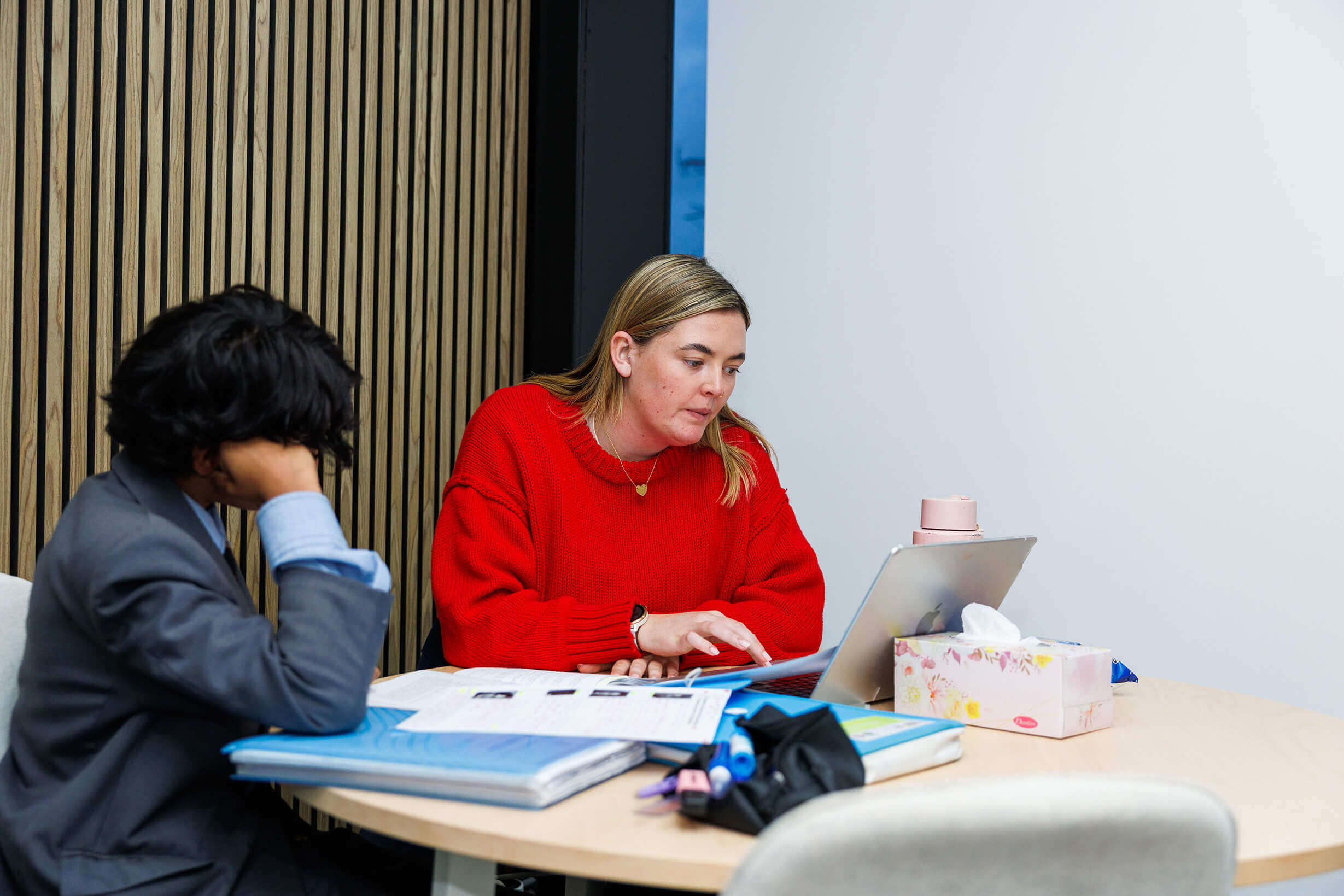
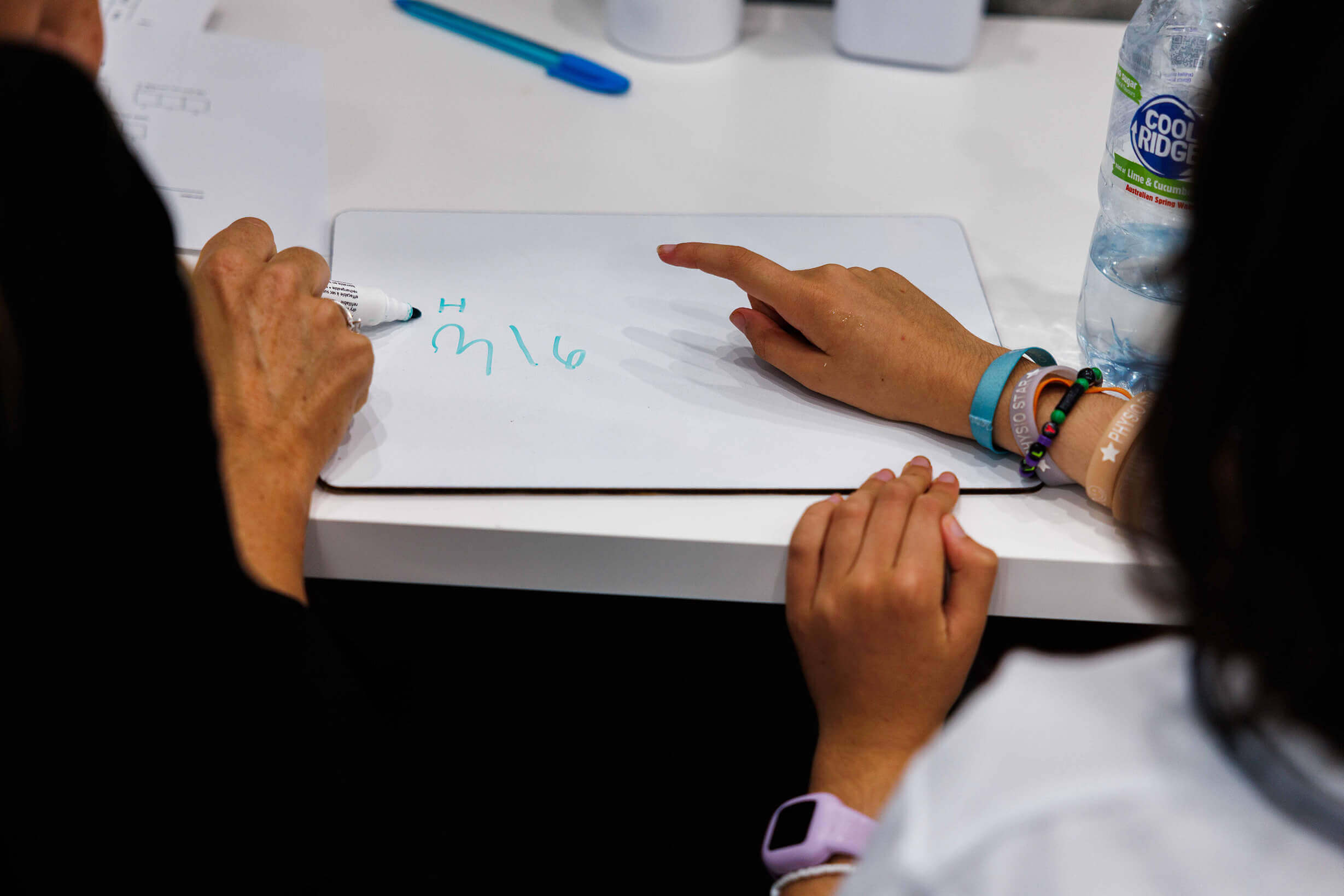
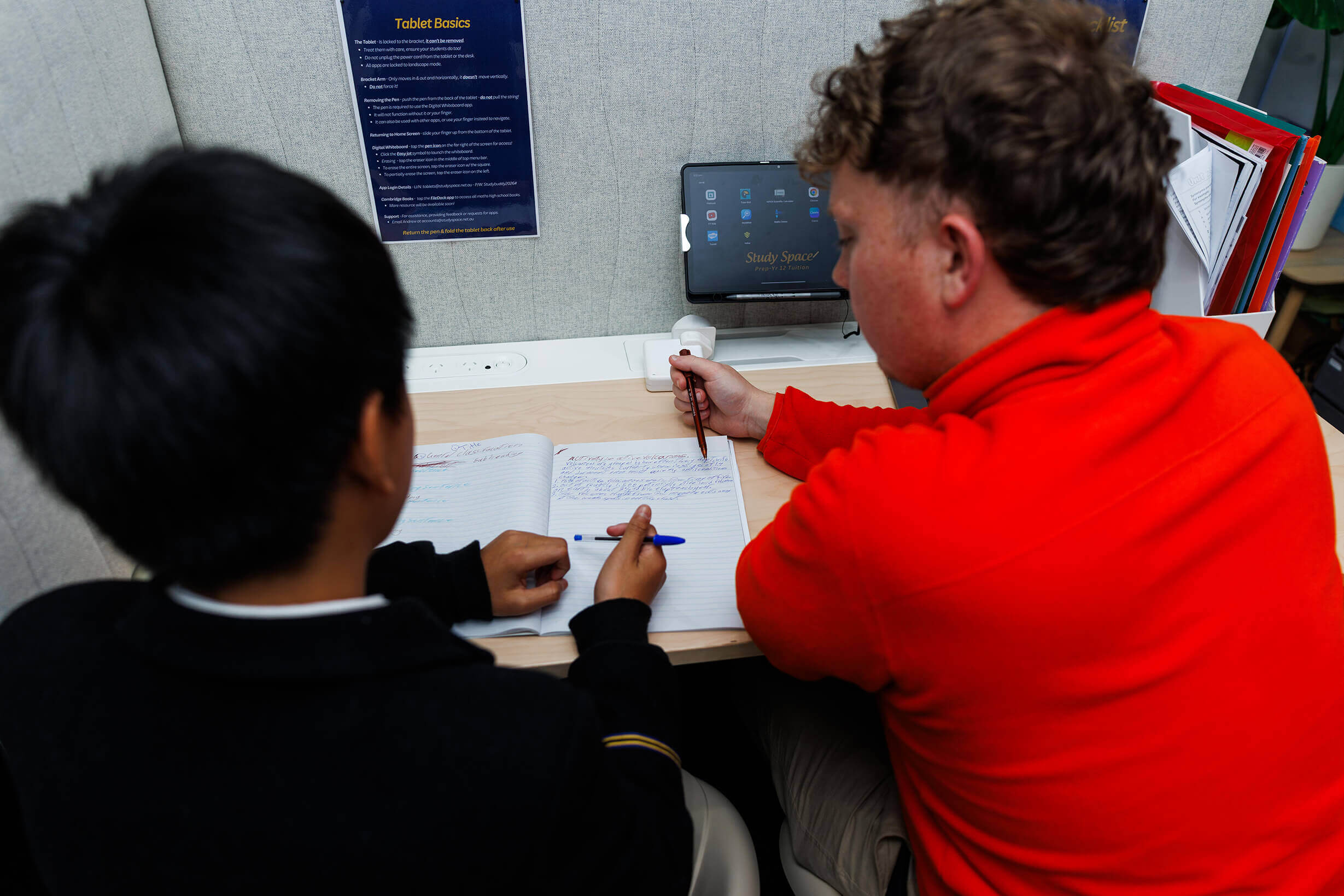
Asking teachers to explain tough topics, talking with parents about workload, or working with tutors gives students the support they need to move forward.
At Study Space, tutoring is personalised to each student and supports learners from early years through to HSC preparation. Tailored tutoring helps close learning gaps, build subject knowledge, and boost confidence.

Help Students Put Setbacks Into Perspective
A disappointing result can feel big in the moment, but it’s just one step in the educational journey.
After a tough result, encourage students to reflect on what they can learn. Was a topic unclear? Did time run out? Could a different study method help next time?
Turning setbacks into practical next steps helps students move on rather than dwell on the outcome.
Building Resilience Takes Time
Resilience doesn’t develop overnight. It grows through everyday experiences—solving problems, making mistakes, receiving feedback, and trying again.
During stressful school periods, students don’t need to be perfect. They need strategies to manage challenges, feel comfortable asking for support and recognise effort resulting in progress.
With steady encouragement, realistic routines, and the right academic help, students can face challenges confidently and develop skills for life beyond school.
Contact Study Space for Support
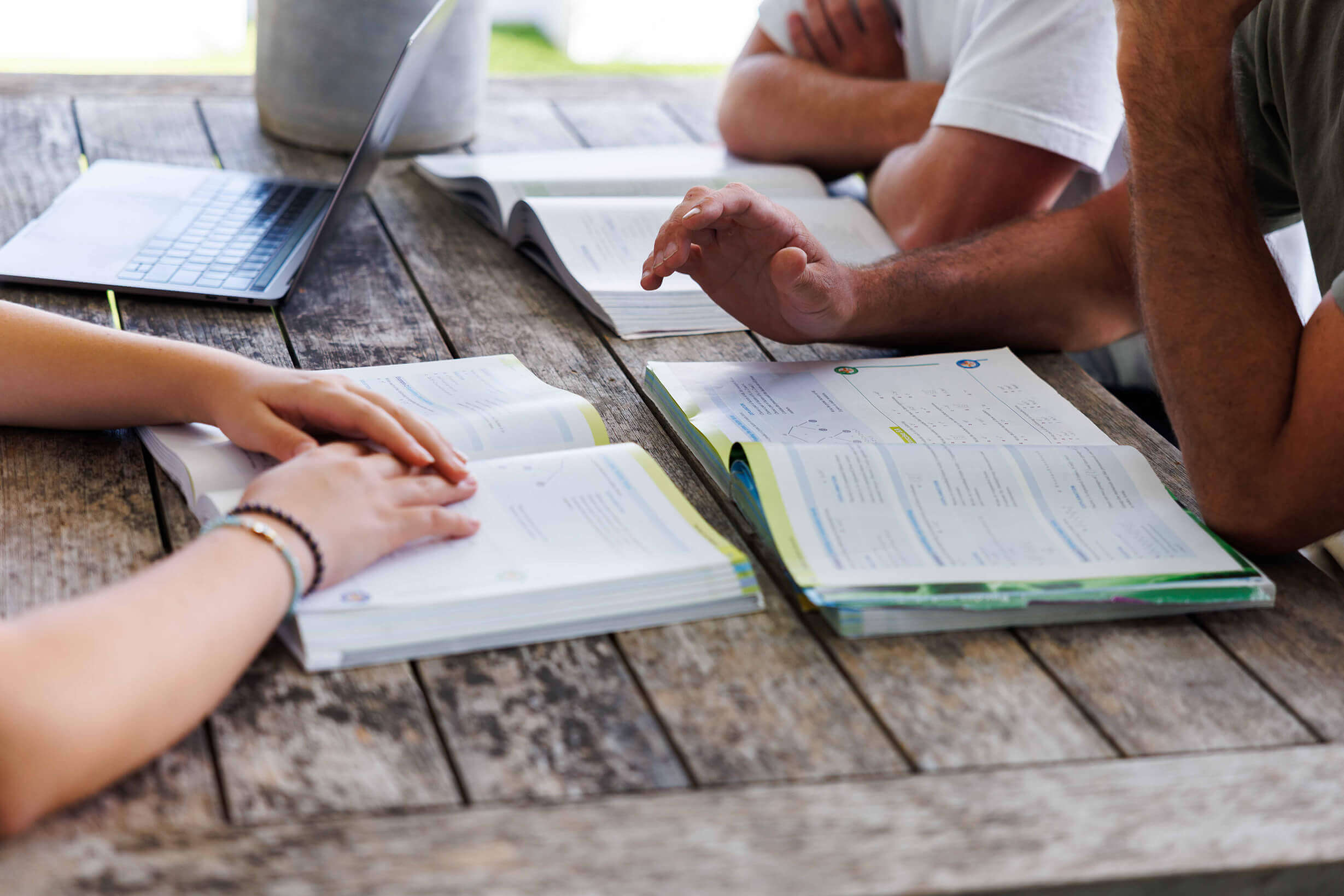
If your child finds high-pressure school periods tough, extra academic support can help them feel more organised and confident. Study Space offers personalised tutoring and homework help for Kindergarten to Year 12 students across NSW subjects.
Our experienced tutors help students strengthen understanding, build effective study habits, and work towards personal learning goals.
Contact Study Space today to learn how we can support your child during their next challenging school period.

We also offer a complimentary introductory tutoring session. Enrol now to experience our tailored approach designed to boost confidence and academic performance. Complete the form on our website to claim your free session and see firsthand how our expert tutors can support your child’s educational journey.