
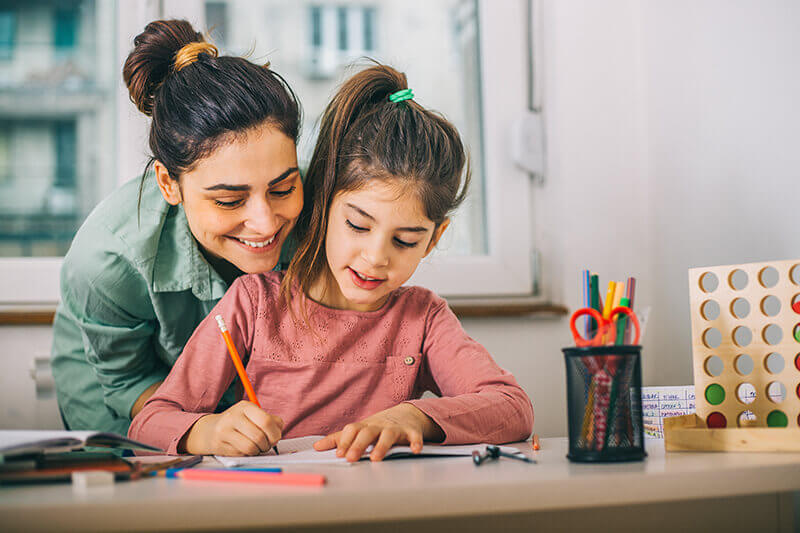
Back-to-School Routines That Actually Stick (Without Burnout)
A new school year frequently begins with the finest of intentions. Smoother mornings, earlier bedtimes, and regular homework routines are all well-planned, but they can be challenging to sustain once real life returns.
For many families, back-to-school routines start strong but fade soon, replaced by rushed mornings, homework clashes and fatigued kids. The good news? Routines that are effective don’t have to be strict, demanding, or draining. In truth, the routines that actually stick are usually basic, adaptable and based around your child’s requirements.
Here’s how to establish back-to-school habits that promote learning, lessen stress, and enable your child to flourish without experiencing burnout.
Why Routines Matter More Than You Think
Routines give predictability, and predictability fosters confidence. Children are more likely to feel at ease, concentrated, and prepared to study when they know what to expect.
Students benefit from strong routines:
- control their time and effort,
- approach academic work with less resistance,
- and feel more in charge of their day.
This is especially crucial in the first few weeks of the term, when expectations rise rapidly. This is especially true in fundamental courses like maths and English, where deficiencies can cause dissatisfaction and self-doubt.
For kids who require extra reinforcement alongside routines, Maths tutoring or English tutoring can help turn routines into meaningful academic progress.


Start Small: The Key Is Simplicity
Overly ambitious routines are one of the main causes of their failure. For both parents and children, attempting to improve sleep, study, screens, sports, and behaviour all at once is a surefire way to burn out.
Rather:
- Select one or two routines to concentrate on initially.
- Keep things simple.
- and provide time for adjustment.
For instance:
- a regular wake-up time,
- reading for fifteen to twenty minutes after school,
- or a quick, routine check-in for homework.
You can develop those habits once they become second nature.
Build a Morning Routine That Reduces Stress
Mornings frequently set the emotional tone for the entire day. A quiet start makes a notable impact to focus, behaviour and confidence at school.
Tips for calmer school mornings:
- Prepare luggage, meals, and uniforms the previous evening.
- wake up at the same time every day, including on the weekends.
- To prevent hurrying, give yourself some buffer time.
Younger kids might benefit greatly from visual schedules. Predictable morning routines, bolstered by primary tutoring, can foster independence and organisation in elementary school-aged children from an early age.

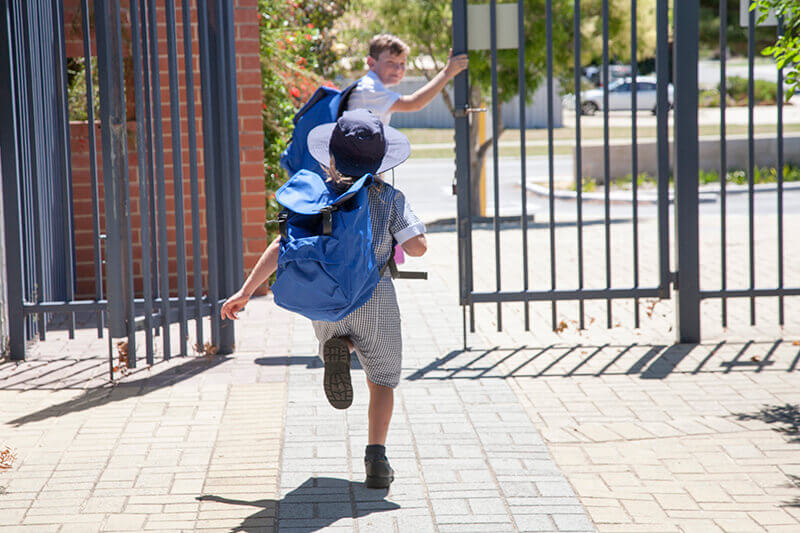
Establish an After-School Routine Instead of a Strict Schedule
Many routines break down after school because children are exhausted, hungry, and overstimulated. Consider planning the afternoon in stages rather than diving right into homework:
- Time of decompression – A snack, some exercise, or some quiet time.
- Time spent concentrating on learning – Reading, tutoring, or homework while energy levels are still manageable.
- Family time and leisure time – room to unwind and recharge.
This rhythm lessens resistance to schoolwork while respecting your child’s energy levels.
Structured afternoons mixed with high school tutoring might assist older children manage higher responsibilities, particularly in high school, without feeling overburdened.
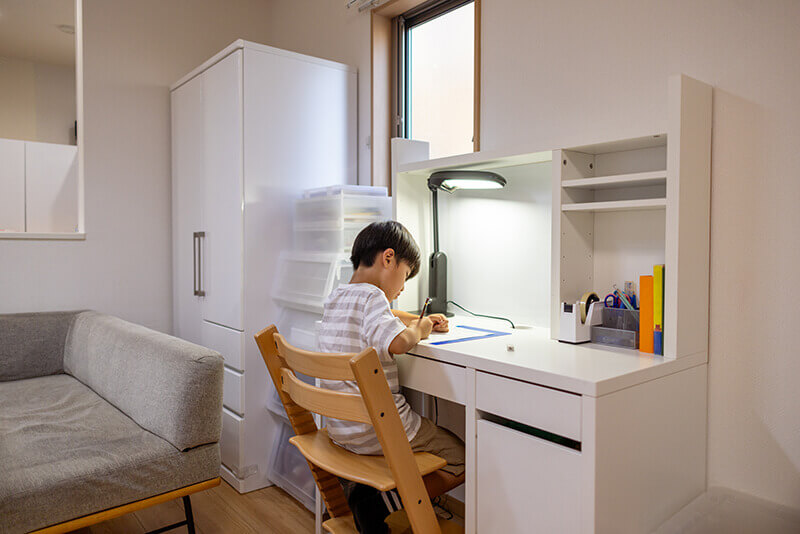
Set Up a Dedicated Study Space
The environment has a big impact on how long routines last.
An ideal study area should:
- be applied consistently,
- reduce interruptions,
- and make sure your child has access to everything they need.
It doesn’t have to be elaborate; a simple table in a peaceful area will do. It’s important that your child associates the area with production and concentration rather than stress.

Homework Routines That Don’t End in Tears
Homework can quickly become the most stressful part of the day if routines aren’t realistic.
Instead of enforcing long study blocks:
- aim for short, focused sessions,
- use timers to create clear start and end points,
- and build in quick wins to boost confidence.
Encourage your child to attempt work independently first, then support where needed. This builds problem-solving skills and resilience.
If homework regularly feels overwhelming, personalised tutoring can help identify where students are getting stuck and build confidence through targeted support — especially important for senior students working toward exams like the HSC. HSC tutoring provides structure and guidance when workloads peak.
Strike a Balance Between Learning and Rest
Routines that prioritise work over recuperation lead to burnout.
Healthy routines include:
- sufficient sleep,
- regular breaks,
- and time to interact and play.
In particular, sleep directly affects focus, memory, and emotional control. Children’s ability to handle the demands of school can be significantly enhanced by a regular bedtime routine that includes turning out lights, turning off screens, and engaging in relaxing activities.


Include Your Kids in the Process
Children who feel in control of their routines are more likely to stick to them.
Try:
- Enquiring about the most difficult part of the day,
- allowing them to select (within bounds) when homework is due,
- and modifying routines together if anything isn’t functioning.
Children are more inclined to participate and less likely to reject when they feel heard.
Be Adaptable: Progress Is Better Than Perfection
No routine works perfectly every day. It’s normal to experience hectic weeks, illness, and unforeseen circumstances.
What is important is returning to routines without guilt or frustration. Children who have a flexible mentality learn that effort over time, rather than strict perfection, is what constitutes consistency.
Encouragement and supportive routines help kids develop strong learning habits, independence, and self-assurance that lasts beyond the school year.


When Additional Assistance Facilitates Routines
Routines by themselves aren’t always sufficient, particularly if anxiety or learning deficits are already present.
Tutoring at Study Space complements family routines rather than interferes with them. Sessions are customised to meet the needs of each student and follow the NSW curriculum, assisting pupils in:
- increase self-assurance in difficult subjects,
- improve your study habits,
- and feel more in charge of their education.
Visit the About Us page to find out more about Study Space’s methodology, or contact us to talk about the best kind of assistance for your child.
Final Thoughts
Effective back-to-school routines don’t have to be rigid, demanding, or draining. Simple, encouraging, and adaptable routines that are tailored to your child rather than a rigid schedule are what endure.
You may establish routines that lower stress, promote learning, and enable your child to navigate the school year with confidence and without burnout by emphasising regularity, balance, and reasonable expectations.