

How to Help Your Child Manage Academic Pressure
Academic pressure is an experience that most students face at various points throughout their schooling journey. Whether a child is just learning to read in Prep, preparing for NAPLAN tests in primary school, adapting to the demands of high school, or working towards senior exams, there will inevitably be times when the pressures of school feel overwhelming.
While a reasonable level of challenge can motivate growth and learning, excessive pressure can negatively impact a child’s confidence, motivation, and overall enjoyment of their education. As a parent, one of the most valuable contributions you can make is to support your child in developing healthy learning habits that alleviate stress and build resilience over time.
At Study Space, we firmly believe that managing academic pressure is best achieved through consistency rather than last-minute cramming. Small, regular study efforts spaced across the term are far more effective than trying to absorb everything at once. By helping students from Prep to Year 12 establish strong routines and providing personalised support when necessary, students can approach the school year feeling more prepared and self-assured.

Understand Where the Pressure Is Coming From
Academic pressure doesn’t always originate solely from school. It can arise from a variety of sources, such as:
- Upcoming exams and assessments
- Heavy homework and assignment loads
- Comparing themselves with classmates
- Fear of making mistakes or failing
- Desire to meet parents’ or teachers’ expectations
- Balancing schoolwork alongside sport, part-time jobs, and extracurricular activities
- Feeling unprepared or overwhelmed by challenging subjects
Some children openly share their feelings of stress, while others may become quieter, more frustrated, or less motivated. Recognising these signs early on enables parents to intervene and provide support before the pressure begins to affect their child’s wellbeing or academic progress.
Focus on Learning Rather Than Marks
It’s natural for students to want to achieve good grades, but an exclusive focus on marks can increase anxiety and reduce the joy of learning.
Encourage your child to reflect on what they have learned and how much progress they have made. Celebrate their effort, persistence, and improvement alongside their academic results.
Helpful questions to shift the focus include:
- What new things did you learn today?
- Which topics are becoming easier for you?
- What strategies helped you solve a tricky problem?
- What achievements are you proud of this week?
When children understand that learning is a continuous process, they become more willing to tackle challenging tasks without the fear of failure.

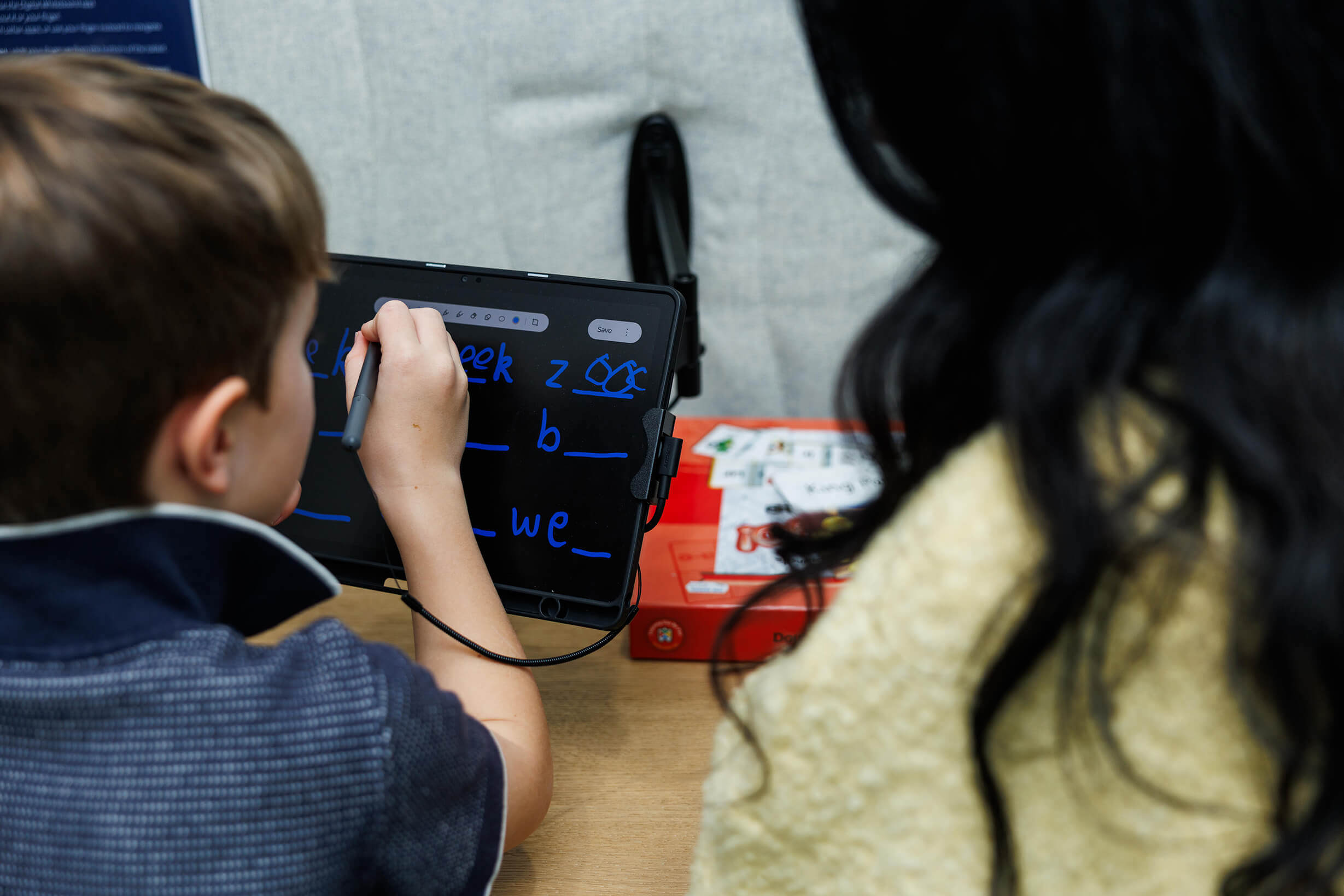
Consistency Always Beats Cramming
One of the biggest causes of academic stress is leaving study until the last minute.
Cramming often leads to late nights, feelings of overwhelm, and difficulties retaining information long term. While students may remember some facts temporarily, this knowledge is less likely to stick.
Consistent study habits produce far better results.
Encouraging your child to spend even 20 to 30 minutes reviewing their work several times a week allows learning to build gradually. Homework feels more manageable, assessments become less daunting, and confidence grows as students continually reinforce their understanding.
Rather than urging your child to study for hours the night before a big test, help them establish a routine where learning becomes a normal part of each day.
Build a Realistic Weekly Routine
Children thrive when they have predictable routines.
A straightforward weekly schedule provides structure without making study feel overwhelming or burdensome.
A balanced routine might include:
- Completing homework soon after school
- Reviewing class notes each evening
- Reading daily
- Practising Maths skills several times a week
- Preparing for assessments well in advance
- Allowing plenty of time for hobbies, sport, and relaxation
The aim isn’t to fill every spare moment with study, but to make learning a regular habit so that pressure is reduced when important assessments come around.
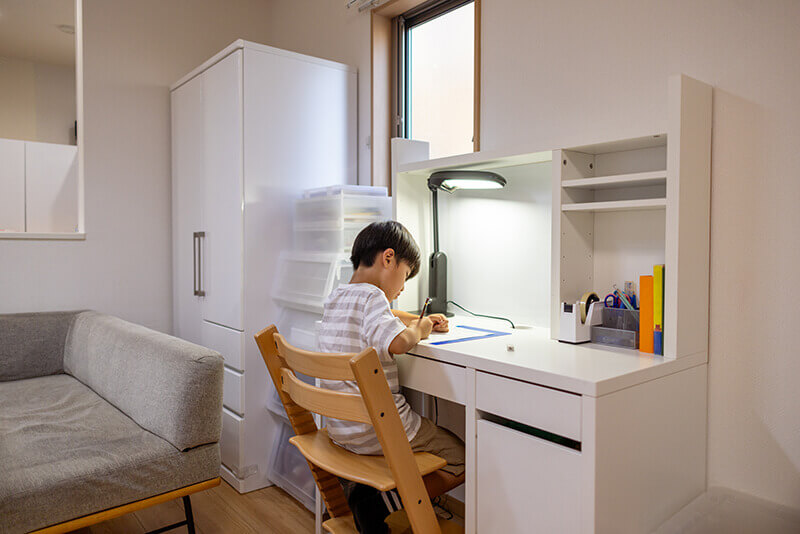

Encourage Breaks and Balance
Many students believe that longer study sessions mean better learning.
In reality, concentration fades after extended periods of work. Regular breaks help students recharge, maintain focus, and return to their studies with renewed energy.
Parents should also encourage healthy habits outside of school, including:
- Getting sufficient sleep
- Eating nutritious meals
- Staying physically active
- Spending quality time with family and friends
- Enjoying hobbies away from screens and schoolwork
A balanced lifestyle supports both academic success and emotional wellbeing.
Help Your Child Stay Organised
Disorganisation can quickly increase stress levels.
When assignments are forgotten or revision is left to the last minute, children often feel like they’re constantly playing catch-up.
Simple organisational habits can make a significant difference, such as:
- Using a homework diary or planner
- Breaking large tasks into smaller, manageable steps
- Setting reminders for due dates
- Keeping school materials tidy and accessible
- Reviewing upcoming tasks at the start of each week
Good organisation helps students feel more in control of their workload and reduces unnecessary last-minute pressure.
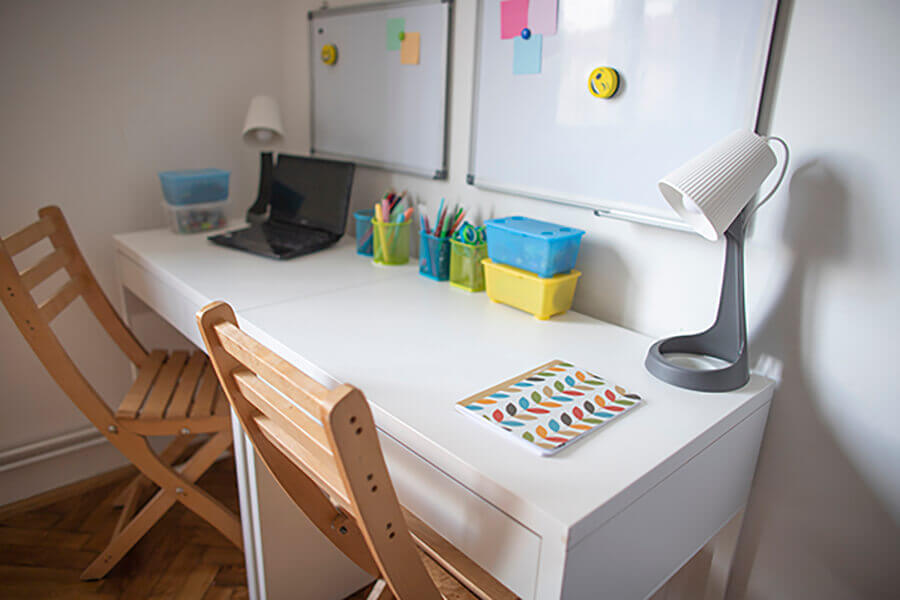
Build Confidence Through Positive Reinforcement
Many students put enormous pressure on themselves, believing every mistake equals failure. Parents can help shift this mindset by recognising effort as much as achievement.
Praise your child for:
- Attempting challenging questions
- Asking for help when they need it
- Staying organised
- Showing improvement over time
- Demonstrating persistence after setbacks
When children view mistakes as learning opportunities rather than reasons for fear, they develop greater resilience and confidence.
Personalised Tuition Can Reduce Academic Stress
When foundational concepts aren’t fully grasped, every new topic feels increasingly difficult, making school more stressful.
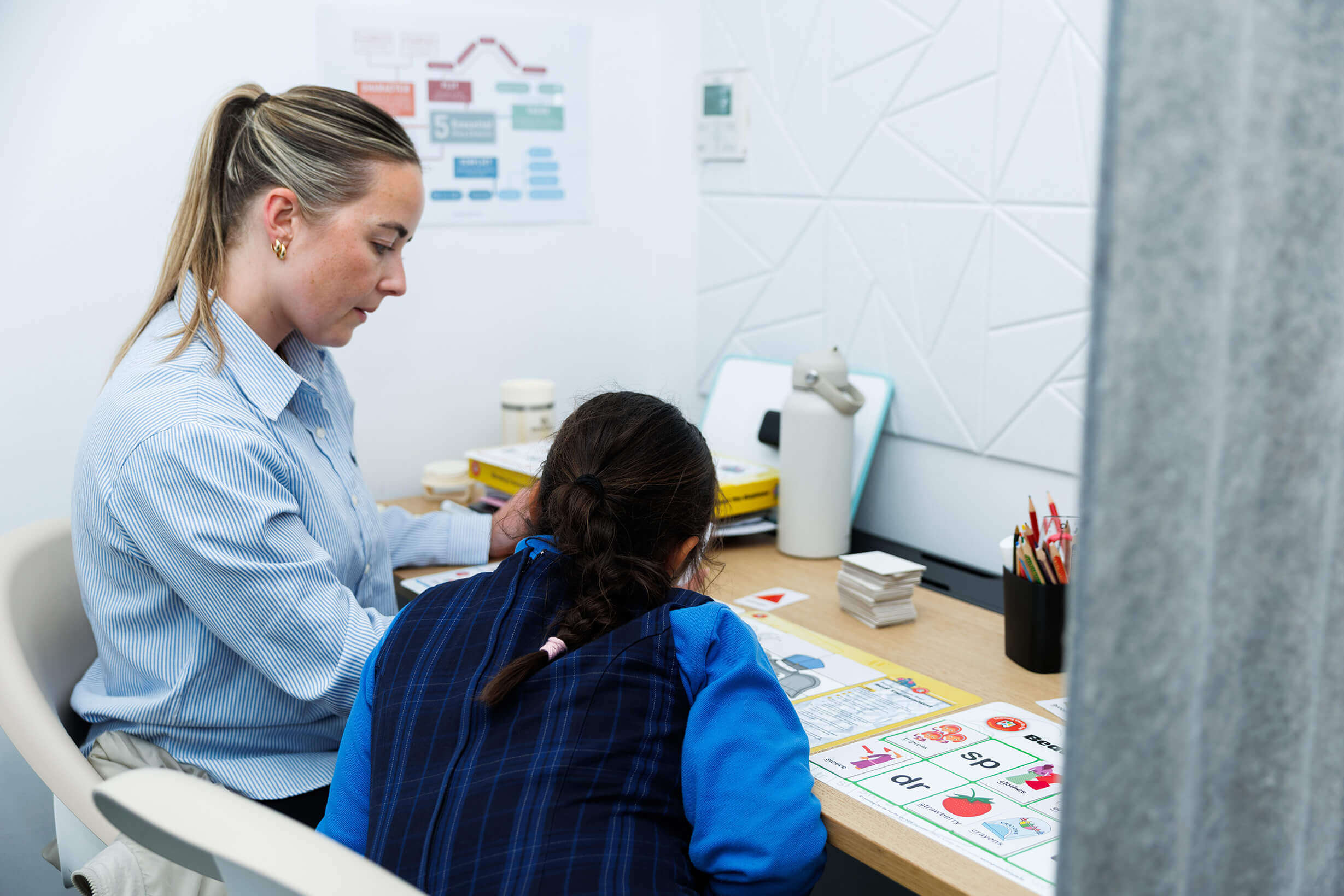
Study Space offers tailored tuition for students from Prep through to Year 12 across a wide range of subjects and learning needs. By working at each student’s individual pace, tutors identify learning gaps, reinforce classroom learning, and teach effective study techniques that help reduce stress throughout the school year.
Personalised tuition can help by strengthening these foundations and building confidence within a supportive environment. If your child is feeling overwhelmed by school or could benefit from additional academic support, Study Space is here to help.


We also offer a complimentary introductory tutoring session. Enrol now to experience our tailored approach designed to boost confidence and academic performance. Complete the form on our website to claim your free session and see firsthand how our expert tutors can support your child’s educational journey.